
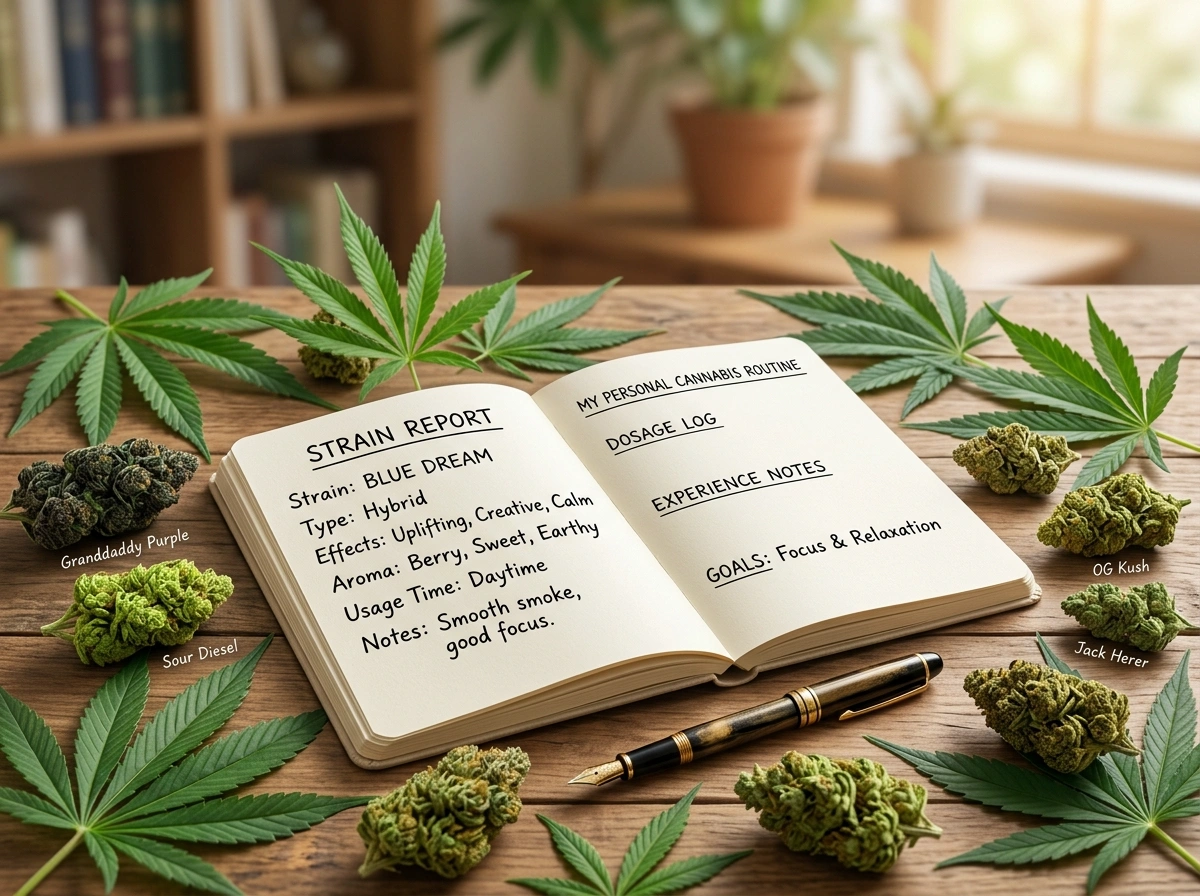
Cannabis affects no two people the same way. The same strain that helps your neighbor unwind after work might leave you wired and restless. That’s exactly why a thoughtful, personal cannabis routine matters more than grabbing whatever sits on the dispensary shelf. When you match the right product to your body and your goals, you get consistent results instead of guesswork.
This guide walks you through building a cannabis routine that actually fits your life. You’ll learn how to set clear wellness goals, decode strain types, read the science behind cannabinoids and terpenes, and use a reliable strain report to make smarter choices. By the end, you’ll have a practical framework you can start using today.
Why a Personal Cannabis Routine Matters
A routine turns random experiences into reliable outcomes. Without one, you’re left chasing trial and error, often spending money on products that don’t deliver what you need.
A consistent approach helps you in three big ways:
- Predictable results. You know what to expect from a given product at a given time.
- Better dosing. You avoid taking too much or too little.
- Smarter spending. You stop buying strains that don’t work for your body.
Think of it like building a fitness plan. You wouldn’t lift weights one day and skip the next without tracking progress. The same logic applies here. Intention beats improvisation every time.
Start With Your Wellness Goals
Before you pick any strain, get clear on what you actually want cannabis to do for you. Your goals shape every choice that follows.
Common goals to consider
- Sleep support. Falling asleep faster or staying asleep longer.
- Stress relief. Calming a busy mind after a long day.
- Focus and creativity. Staying sharp during work or creative projects.
- Physical comfort. Easing tension or post-workout soreness.
- Social ease. Feeling more relaxed and present around others.
Write down your top one or two goals. A person chasing better sleep needs a very different product than someone looking for daytime focus. Naming your goal keeps you from buying the wrong thing on impulse.
A quick note on compliance: cannabis laws vary widely from state to state, so always buy from licensed dispensaries and follow your local regulations. What’s legal in California may not be legal where you live.
Understanding Cannabis Strain Types
Most cannabis gets sorted into three broad categories. These labels aren’t perfect science, but they give you a useful starting point.
Indica
Indica strains are often linked to relaxation and full-body calm. Many people reach for them in the evening to wind down or ease physical tension. If your goal is rest, this category is a common first stop.
Sativa
Sativa strains tend to feel more energizing and uplifting. They’re popular for daytime use, creative work, and social settings. If you want a boost without heavy sedation, start here.
Hybrid
Hybrids blend traits from both parent types. Depending on the cross, a hybrid might lean energizing, relaxing, or balanced. This category gives you flexibility, which is why it dominates many dispensary menus.
Keep in mind that these categories are general guides, not guarantees. Two Sativa strains can feel completely different, which brings us to the real drivers of your experience.
The Role of Cannabinoids and Terpenes
The Indica-Sativa label only tells part of the story. The chemistry inside the plant matters far more for how you’ll actually feel.
Cannabinoids
Cannabinoids are the active compounds in cannabis. The two you’ll see most often are:
- THC. The compound responsible for the classic “high.” Higher THC usually means stronger psychoactive effects.
- CBD. A non-intoxicating compound many people use for calm and comfort. It can also soften some of THC’s intensity.
The ratio between THC and CBD shapes your experience. A balanced ratio feels very different from a high-THC, low-CBD product.
Terpenes
Terpenes are aromatic compounds that give each strain its smell and flavor. They also influence how a strain makes you feel. A few common ones include:
- Myrcene. Earthy and often linked to relaxation.
- Limonene. Citrusy and associated with uplifted mood.
- Pinene. Pine-scented and tied to alertness.
When cannabinoids and terpenes work together, they create what’s known as the entourage effect. This is why two strains with the same THC number can feel worlds apart.
How to Use Strain Data to Match Your Lifestyle
Here’s where data turns confusion into confidence. Instead of guessing, you can review detailed profiles that show cannabinoid levels, terpene content, and reported effects.
A good Strain report gives you a clear breakdown of what’s inside a product before you buy it. You can compare THC and CBD percentages, scan the terpene profile, and read how others described the effects. That information helps you match a strain to your specific goal rather than relying on a vague label.
How to read the data effectively
- Check the cannabinoid ratio first. Match it to your goal and tolerance.
- Scan the dominant terpenes. Look for ones aligned with the effect you want.
- Compare reported effects. Look for patterns across multiple reviews.
- Note the product format. Flower, edibles, and tinctures hit differently.
This tech-forward approach takes the mystery out of shopping and puts you in control. Over time, you’ll spot which profiles consistently work for you.
Morning vs. Evening Routine Tips
Timing matters as much as the strain itself. The right product at the wrong time can throw off your whole day.
Morning and daytime
- Favor uplifting profiles with energizing terpenes like limonene or pinene.
- Keep doses low so you stay clear-headed and productive.
- Consider higher-CBD options if you want calm without sedation.
Evening and nighttime
- Lean toward relaxing profiles, often Indica-leaning with myrcene.
- Allow extra time before bed, especially with edibles, which take longer to kick in.
- Use this window to unwind rather than power through tasks.
Building two distinct routines, one for day and one for night, keeps your usage intentional and aligned with how you actually live.
Track and Adjust Your Routine Over Time
Your routine isn’t set in stone. Bodies change, tolerance shifts, and new products hit the market. Tracking helps you keep improving.
What to track
- Strain name and brand. So you can repeat what works.
- Cannabinoid and terpene profile. The chemistry behind the result.
- Dose and timing. How much, and when.
- Effects and mood. What you felt and how long it lasted.
A simple notes app or journal works fine. After a few weeks, patterns emerge. You’ll see which profiles deliver and which ones miss, letting you fine-tune your choices with real evidence instead of memory.
Actionable Takeaways
You now have everything you need to build a routine that works for your body and your goals. Here’s the quick-start checklist:
- Define one or two clear wellness goals before you shop.
- Use strain type as a rough guide, not a final answer.
- Read cannabinoid and terpene data to predict effects.
- Match profiles to the time of day, with separate day and night plans.
- Track your results and adjust based on what you learn.
- Buy only from licensed dispensaries and follow your state’s laws.
The smartest next step is to look up the data on a strain before your next purchase. Pull up a detailed strain report, compare a few options against your goals, and choose with confidence. A little research today builds a routine that pays off for the long haul.
