
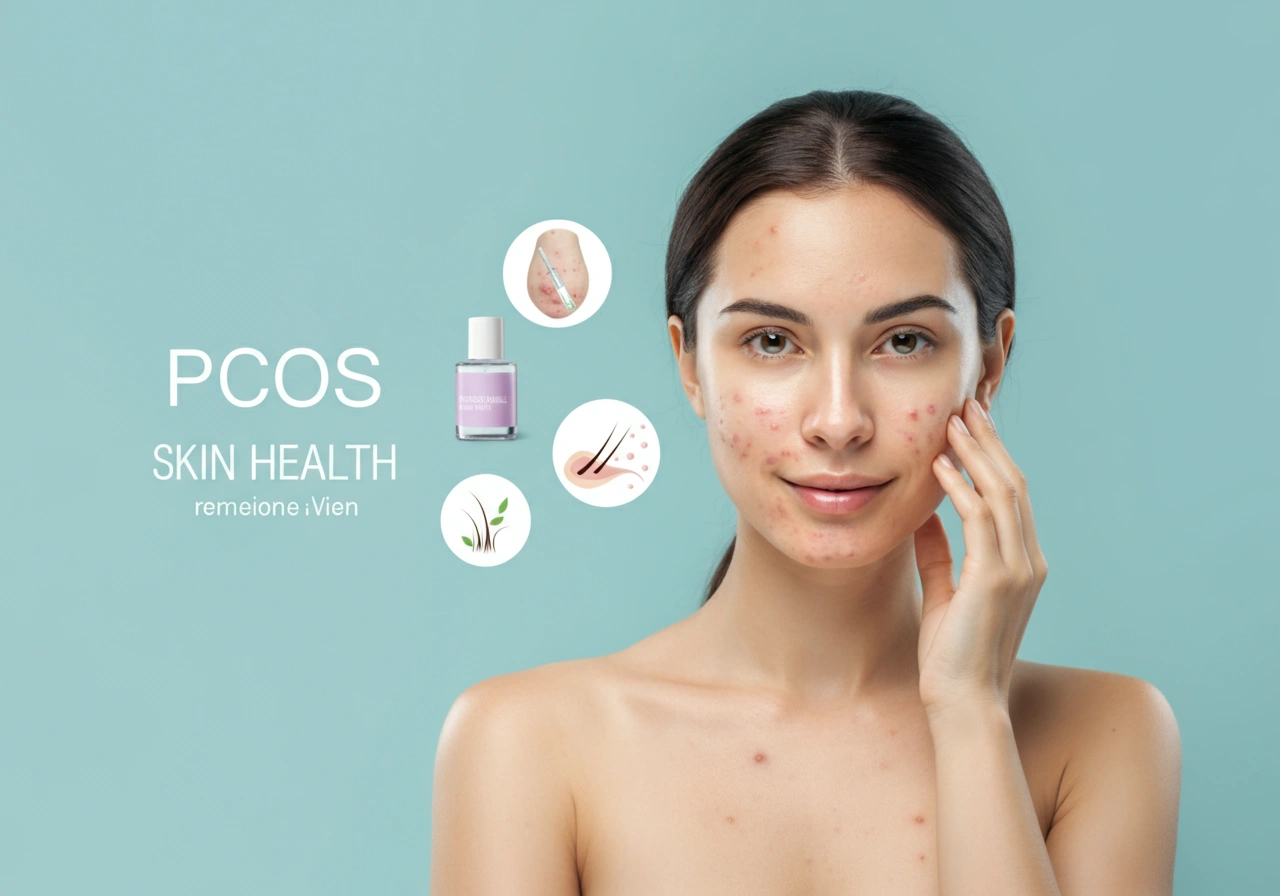
Polycystic Ovary Syndrome, widely known as PCOS, is far more than a reproductive issue. It is a complex hormonal condition that ripples through nearly every system in the body, manifesting in symptoms that can be physically uncomfortable and emotionally taxing. For many women, the most visible and frustrating signs of PCOS appear right on the surface: on their skin.
While irregular periods and fertility challenges are often the headline symptoms discussed in medical offices, dermatological issues like persistent acne and excessive hair growth (hirsutism) are frequently the daily battles that affect self-esteem and quality of life. Understanding the connection between your hormones and your skin is the first step toward regaining control.
Understanding PCOS: A Common but Complex Condition
PCOS is one of the most common endocrine disorders affecting women of reproductive age. Estimates suggest that it affects anywhere from 6% to 12% of women in this demographic in the United States, though many cases remain undiagnosed.
At its core, PCOS is characterized by a combination of symptoms rather than a single test result. These typically include irregular ovulation (leading to irregular periods), cysts on the ovaries, and—crucially for skin health—elevated levels of androgens, often referred to as “male” hormones. While all women produce androgens, those with PCOS produce them in higher quantities. This hormonal shift is the primary driver behind the skin changes that so many women find distressing.
The Hormonal Connection: Why Skin Reacts
To effectively manage PCOS-related skin issues, it helps to understand the biology behind them. Two main factors are usually at play: hyperandrogenism and insulin resistance.
Hyperandrogenism (Excess Androgens)
Androgens, such as testosterone, play a key role in skin physiology. High levels of androgens stimulate the sebaceous glands in the skin to produce excess sebum (oil). When this excess oil mixes with dead skin cells, it clogs pores, creating the perfect environment for bacteria to thrive and cause inflammation. This leads to acne. Similarly, androgens influence hair follicles. In some areas, like the scalp, they can cause hair thinning. However, on the face, chest, and back, they stimulate coarse, dark hair growth.
Insulin Resistance
Many women with PCOS also have insulin resistance, meaning their body’s cells don’t respond properly to insulin. The pancreas compensates by pumping out more insulin. High levels of insulin can trigger the ovaries to produce even more androgens, creating a vicious cycle that worsens skin symptoms.
The Battle with PCOS Acne
PCOS acne is distinct from the occasional pimple many people experience. It tends to be stubborn, cystic, and located in specific areas.
Characteristics of Hormonal Acne:
Unlike teenage acne, which often appears in the T-zone (forehead and nose), hormonal acne typically flares along the jawline, chin, and upper neck. It is often deep, painful, and cystic, meaning it occurs beneath the skin’s surface and carries a higher risk of scarring. Because it is driven by internal hormonal fluctuations, topical treatments that work for standard acne often fail to clear PCOS-related breakouts.
Why It Persists:
Standard over-the-counter washes might remove surface oil, but they don’t address the internal androgen surge fueling the oil production. This is why many women feel they are fighting a losing battle with drugstore products.
Hirsutism: Dealing with Unwanted Hair Growth
Hirsutism is the medical term for excess hair growth in women in a pattern typically seen in men. For women with PCOS, this usually means coarse, dark hair appearing on the chin, upper lip, chest, abdomen, or back.
This symptom can be particularly distressing because of societal beauty standards. Women often spend significant time and money on hair removal methods—shaving, plucking, waxing, or threading—which can irritate the skin further, leading to ingrown hairs and folliculitis (inflammation of the hair follicles). This creates a dual burden: managing the hair growth itself and managing the skin damage caused by removing it.
Comprehensive Strategies for Management
Managing PCOS skin symptoms requires a multi-pronged approach. Because the root cause is internal, the most effective treatments often combine lifestyle changes with medical intervention and a smart skincare routine.
1. Medical Interventions
Consulting a healthcare provider is essential because over-the-counter solutions are rarely strong enough to counteract high androgen levels.
- Hormonal Birth Control: Combination oral contraceptives (containing both estrogen and progestin) are a first-line treatment. They work by lowering androgen production and increasing a protein called sex hormone-binding globulin (SHBG), which binds to testosterone in the blood so it cannot affect the skin.
- Anti-Androgen Medications: Drugs like spironolactone are frequently prescribed for hormonal acne and hirsutism. Spironolactone blocks the effects of androgens on the skin’s receptors, effectively reducing oil production and hair growth.
- Insulin-Sensitizing Drugs: Metformin, a medication typically used for type 2 diabetes, is often prescribed off-label for PCOS. By improving insulin sensitivity, it can lower insulin levels, which subsequently reduces androgen production.
- Retinoids: Prescription-strength topical retinoids (like tretinoin) or oral isotretinoin (Accutane) can be powerful tools for acne, though oral isotretinoin is usually a last resort due to its side effects.
2. Specialized Skincare Routines
While topicals alone can’t cure PCOS acne, the right routine supports medical treatments and prevents further irritation.
- Gentle Cleansing: Avoid harsh scrubs. Scrubbing inflames cystic acne and spreads bacteria. Use a gentle, pH-balanced cleanser.
- Non-Comedogenic Moisturizers: Even oily skin needs hydration. If you dry out your skin too much, it may overcompensate by producing more oil. Look for “oil-free” or “non-comedogenic” on labels.
- Salicylic Acid and Benzoyl Peroxide: These remain helpful ingredients. Salicylic acid penetrates oil to unclog pores, while benzoyl peroxide kills acne-causing bacteria.
- Sun Protection: Many acne treatments increase sun sensitivity. Daily SPF is non-negotiable to prevent post-inflammatory hyperpigmentation (the dark spots left behind after a pimple heals).
3. Lifestyle and Dietary Adjustments
Since insulin resistance drives androgen production, managing blood sugar is a powerful way to improve skin health.
- Low-Glycemic Index (GI) Diet: Focus on foods that don’t cause rapid spikes in blood sugar. This includes whole grains, legumes, nuts, seeds, fruits, and starchy vegetables. Reducing processed sugars and refined carbohydrates can have a noticeable impact on acne severity.
- Anti-Inflammatory Foods: Incorporate foods rich in omega-3 fatty acids (like salmon and flaxseeds), leafy greens, and berries to combat systemic inflammation.
- Stress Management: Stress triggers the adrenal glands to produce cortisol and androgens, which can worsen symptoms. Practices like yoga, meditation, adequate sleep, and regular exercise are not just “wellness trends”—they are physiological necessities for hormone balance.
- Supplements: Some studies suggest that supplements like Inositol (specifically a 40:1 ratio of Myo-Inositol and D-Chiro-Inositol), Zinc, and Spearmint tea may help reduce androgen levels, though you should always discuss these with a doctor before starting.
4. Managing Hair Growth
For hirsutism, medical treatment stops new hair from growing, but it doesn’t eliminate hair that is already there. Dealing with existing growth requires mechanical methods.
- Laser Hair Removal and Electrolysis: These are the most effective long-term solutions. Laser works best on dark hair and light skin, though newer technologies are safer for darker skin tones. Electrolysis is the only FDA-approved method for permanent hair removal and works on all hair colors.
- Vaniqa (Eflornithine): This is a prescription cream that slows down facial hair growth. It doesn’t remove hair but makes it grow back slower and finer.
The Importance of Professional Guidance
Navigating PCOS can feel isolating, but you do not have to do it alone. Self-diagnosis and self-medication often lead to frustration. A dermatologist can tailor a skincare plan that doesn’t aggravate your skin, while an endocrinologist or gynecologist can address the hormonal root causes.
It is also vital to monitor for side effects of treatments. For instance, spironolactone requires monitoring of potassium levels, and birth control pills carry specific risks that need to be evaluated based on your medical history. A personalized approach ensures that you are treating the condition safely and effectively.
Conclusion: Patience and Persistence
Dealing with the visible symptoms of PCOS requires patience. Hormonal treatments often take three to six months to show significant results because they work by altering the cycle of hair growth and oil production from the inside out.
If you are struggling with acne and hirsutism, know that these are medical symptoms, not cosmetic failures. They are not caused by “dirty skin” or a lack of hygiene. By understanding the link between insulin, androgens, and your skin, and by partnering with healthcare professionals, you can find a management plan that works. Clearer skin and managed hair growth are achievable goals, and taking control of your skin health is a powerful way to reclaim confidence in your journey with PCOS.
